Direct answer
Why is PVA used in binders and emulsion stabilization?
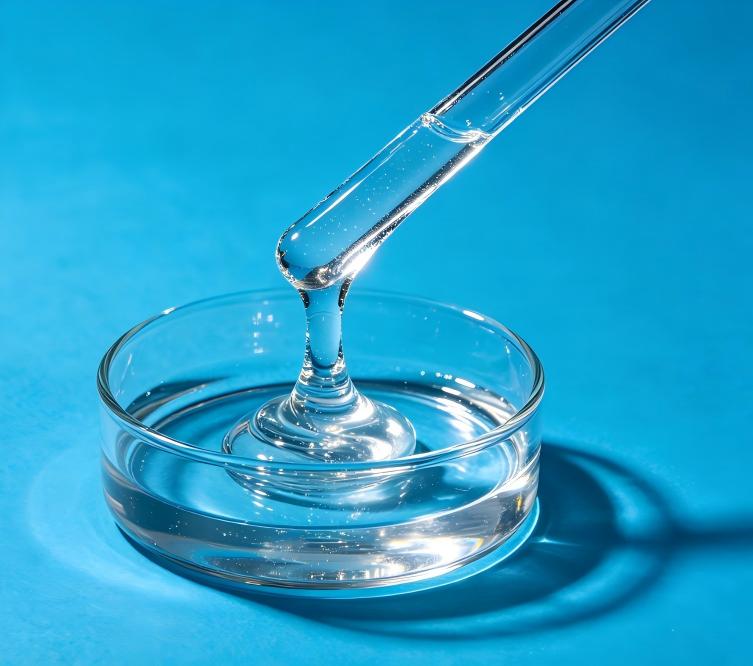
PVA combines water solubility, film formation and formulation flexibility. In PVAc emulsion polymerization, it is commonly evaluated as a protective colloid. In water-based adhesive and binder formulations, it can contribute to viscosity, film properties and adhesion performance. Grade selection should be based on the target system and verified through formulation trials.
Protective colloid
PVA can help stabilize vinyl acetate emulsions during polymerization and support a consistent dispersion process.
Binder and adhesive support
PVA can be evaluated as a binder or formulation component in selected water-based adhesive systems.
Formulation control
Hydrolysis level and solution viscosity are practical selection variables for balancing processing and end-use performance.
Application areas
Where can PVA be evaluated?
The final formulation determines whether a standard, fully hydrolyzed or modified PVA grade is the best candidate. Common evaluation areas include:
- PVAc emulsion polymerization: protective-colloid and viscosity-control roles in vinyl acetate and selected copolymer systems.
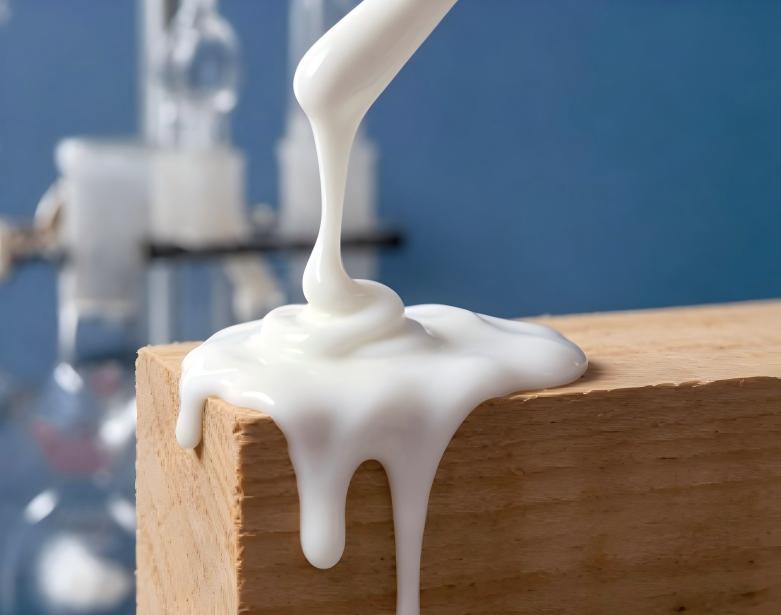
- Wood and paper adhesives: water-based binder and adhesive formulations for porous substrates.
- Remoistenable adhesives: selected partially hydrolyzed grades can be evaluated where water reactivation is needed.
- Suspension polymerization: selected grades may be evaluated as suspension agents for vinyl monomer systems.
- Hydrophobic-material emulsification: formulation trials can assess suitability for materials such as wax or asphalt.
Grade-selection guide
Which parameters matter when selecting a PVA grade?
The original application document lists several standard Joyforce grade families. The table below is intentionally presented as a screening guide rather than a final specification. Confirm the current technical data sheet before specifying a grade.
Hydrolysis level
Partially hydrolyzed and fully hydrolyzed grades differ in water solubility, protective-colloid behavior and film properties.
Solution viscosity
Viscosity influences processing, thickening contribution, emulsion behavior and application method.
Performance target
Share solids content, substrate, bond-strength target, water-resistance target and processing conditions.
| Evaluation area | Common candidate grade families from the application document | Selection note |
|---|---|---|
| PVAc emulsion protective colloid | Partially hydrolyzed, fully hydrolyzed and selected low-viscosity grades | Confirm emulsion system, solids content and target viscosity. |
| PVC suspension agent | Selected partially hydrolyzed grades | Confirm particle-size and polymerization-process requirements. |
| Polystyrene suspension agent | Selected partially hydrolyzed grades | Validate suitability in the intended process. |
FAQ
Frequently asked questions
What is the role of PVA in PVAc emulsion polymerization?
PVA can act as a protective colloid during vinyl acetate emulsion polymerization. It helps stabilize the emulsion and can also influence viscosity and application performance. The appropriate grade and dosage should be validated for the specific formulation.
Which PVA grades should be evaluated for emulsion stabilization?
Partially hydrolyzed PVA grades are commonly evaluated as protective colloids for PVAc emulsions. Fully hydrolyzed or modified grades may also be considered where the formulation requires different viscosity, water resistance or processing behavior. Final selection depends on the emulsion system and performance target.
Can PVA be used as a binder or adhesive component?
Yes. PVA is used in selected water-based adhesive and binder formulations, either as a primary polymer or as a formulation component. The suitable hydrolysis level, solution viscosity and dosage depend on the substrate, process and required bond properties.
Does standard PVA automatically provide high water resistance?
No. Water resistance depends on the complete formulation. Standard PVA is hydrophilic. Modified PVA grades, formulation design and crosslinking approaches may be evaluated where improved water resistance is required.
What information should I provide for grade selection?
Please share the target application, emulsion or adhesive system, solids content, required viscosity, substrates, water-resistance target, processing method and any technical-documentation requirements.
Related product information
Explore PVA grade families
Review the general Joyforce PVA grade families below, then contact the technical team to confirm the current data sheet and the most suitable candidate grade for your process.
Partially Hydrolyzed PVA
Review general partially hydrolyzed PVA product information.
Fully Hydrolyzed PVA
Review general fully hydrolyzed PVA product information.
Special Modified PVA
Review general information for special modified PVA products.
Next step
Discuss your binder or emulsion-stabilizer requirements
Share your polymerization or adhesive system, target viscosity, solids content, substrates, processing conditions and water-resistance target. Joyforce can review candidate grades and support laboratory evaluation.