Direct answer
Where does PVA fit in this application?
A PVA release solution forms a thin film on the mold surface. The release effect depends on solution concentration, viscosity, application method, drying, mold surface, resin chemistry and film continuity.
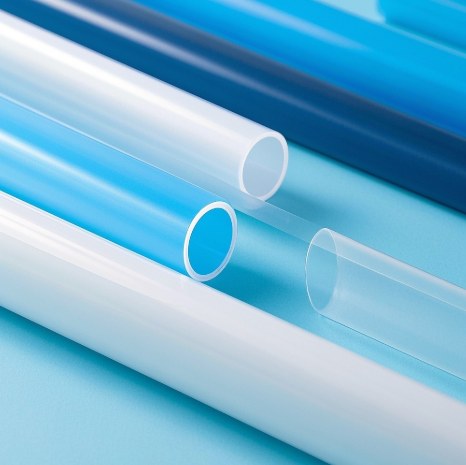
Composite molding
Release film for unsaturated polyester and glass-fiber reinforced plastic systems.
Spray or brush application
Solution viscosity and solids content influence film thickness and drying time.
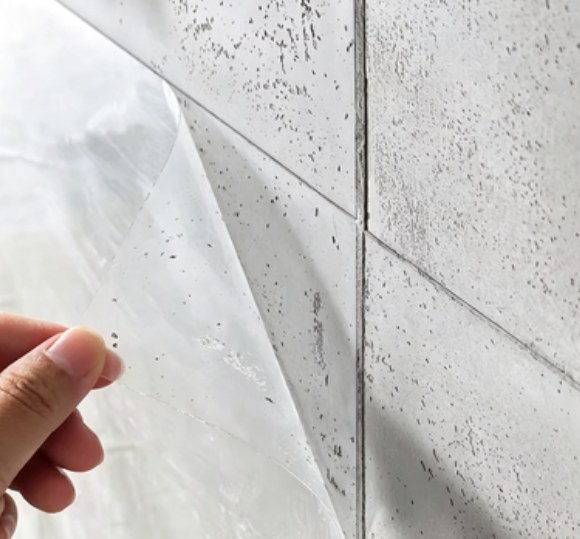
Peelable release layer
PVA film may be peeled or washed away depending on the molded part and process.
Selection focus
What should be validated?
Use the source document as a starting point, then validate the grade in the complete formulation or process. PVA performance is sensitive to hydrolysis level, viscosity, solids content, additives, temperature, pH, substrate and application method.
- Process fit: dissolution, mixing, application and drying or removal conditions.
- Performance fit: adhesion, film strength, viscosity, stability and final-use requirements.
- Documentation: current TDS, SDS and market-specific compliance requirements.
Grade screening
Candidate Joyforce PVA grades
The table below summarizes candidate grades from the source document. Treat it as a screening guide, not a final specification.
| Aplicación | Candidate grades | Selection note |
|---|---|---|
| Mold release agent of plastics | PVA 0399, 0599, 1099, 1399 | Confirm solution viscosity, film integrity and resin compatibility. |
Content audit
Document review notes
- Kept methanol/alcohol acceleration as a formulation consideration, not a recommendation; flammability and EHS controls are required.
- Avoided universal release claims across all resin and mold systems.
- Plasticizer dosage should be validated for film flexibility and release behavior.
PREGUNTAS FRECUENTES
Frequently asked questions
How does PVA work as a mold release agent?
It forms a temporary film that reduces adhesion between the mold surface and the molded resin part.
Can PVA release film be sprayed?
Yes, spray and brush application can be evaluated depending on viscosity, solids content and surface geometry.
What affects release performance?
Film continuity, drying, mold surface, resin chemistry, solution concentration and plasticizer package.
How should I choose a Joyforce PVA grade?
Share your application, process conditions, target viscosity, performance requirements and any documentation needs. Joyforce can help screen candidate grades for laboratory validation.
Are the listed grades final recommendations?
No. The grade lists are screening references from the source document. Confirm the current technical data sheet and test in the final formulation before specification.
Related product information
Explore PVA grade families
Partially Hydrolyzed PVA
PVA totalmente hidrolizado
Special Modified PVA
Review special modified PVA products.
Next step
Discuss grade selection with Joyforce
Share your application target, formulation or process details and required documentation. Joyforce can review candidate grades for lab evaluation.