Direct answer
Where does PVA fit in this application?
In ceramic forming, PVA helps bind powder particles before firing. During burnout, the organic binder must be removed cleanly under the selected firing schedule. Final behavior depends on grade, dosage, powder chemistry, additives and kiln profile.
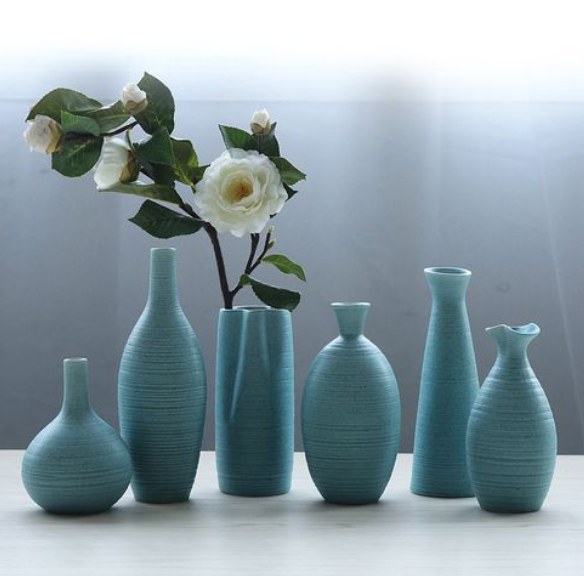
Temporary binder
Helps provide green strength for pressing, extrusion and handling of ceramic green bodies.
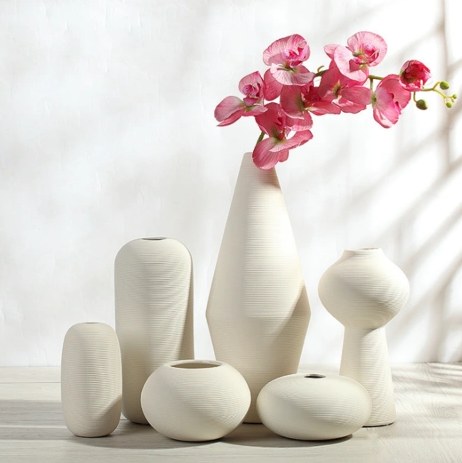
Ferrite and technical ceramics
Can be evaluated where consistent powder binding and burnout behavior are required.
Ceramic resistor and plug applications
Screen candidate grades for particle binding, slurry behavior and fired-part quality.
Selection focus
What should be validated?
Use the source document as a starting point, then validate the grade in the complete formulation or process. PVA performance is sensitive to hydrolysis level, viscosity, solids content, additives, temperature, pH, substrate and application method.
- Process fit: dissolution, mixing, application and drying or removal conditions.
- Performance fit: adhesion, film strength, viscosity, stability and final-use requirements.
- Documentation: current TDS, SDS and market-specific compliance requirements.
Grade screening
Candidate Joyforce PVA grades
The table below summarizes candidate grades from the source document. Treat it as a screening guide, not a final specification.
| Application | Candidate grades | Selection note |
|---|---|---|
| Temporary adhesive for ferrite | PVA 1799, 2499, 1788, 2488 | Confirm green strength, burnout schedule and residue limits. |
| Ceramic resistor and plug | PVA 0588, 0599, 1788, 1799 | Validate compatibility with ceramic powder and forming process. |
Content audit
Document review notes
- Changed clean burnout claims to validation-based language.
- Do not state complete decomposition to only carbon dioxide and water without test conditions.
- The original partially hydrolyzed-grade pH values should be confirmed.
FAQ
Frequently asked questions
Why is PVA used in ceramics?
It can act as a temporary binder that provides green strength before firing.
Does PVA leave no residue after firing?
Residue depends on grade, ash content, dosage, atmosphere and firing schedule; verify by trials.
What should be shared for grade selection?
Ceramic powder type, forming method, solids content, green strength target and burnout conditions.
How should I choose a Joyforce PVA grade?
Share your application, process conditions, target viscosity, performance requirements and any documentation needs. Joyforce can help screen candidate grades for laboratory validation.
Are the listed grades final recommendations?
No. The grade lists are screening references from the source document. Confirm the current technical data sheet and test in the final formulation before specification.
Related product information
Explore PVA grade families
Partially Hydrolyzed PVA
PVA entièrement hydrolysé
Special Modified PVA
Review special modified PVA products.
Next step
Discuss grade selection with Joyforce
Share your application target, formulation or process details and required documentation. Joyforce can review candidate grades for lab evaluation.