

Direct answer
Where does PVA fit in this application?
PVA supports adhesion, workability, film formation and water retention in selected construction formulations. Final performance depends on the cement or gypsum system, filler package, dosage, cellulose ether, redispersible powder and jobsite conditions.
Building material binders
Dry-mix mortar, gypsum products and insulation systems where green strength, workability and binding are required.

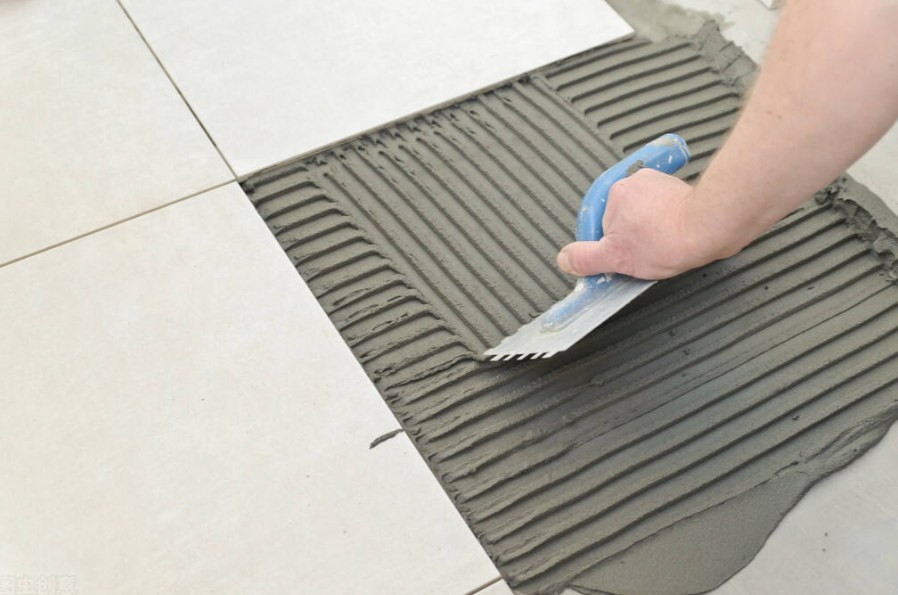
Tile adhesives
PVA can be screened for adhesion and open-time support together with cement, sand, cellulose ethers and other polymers.
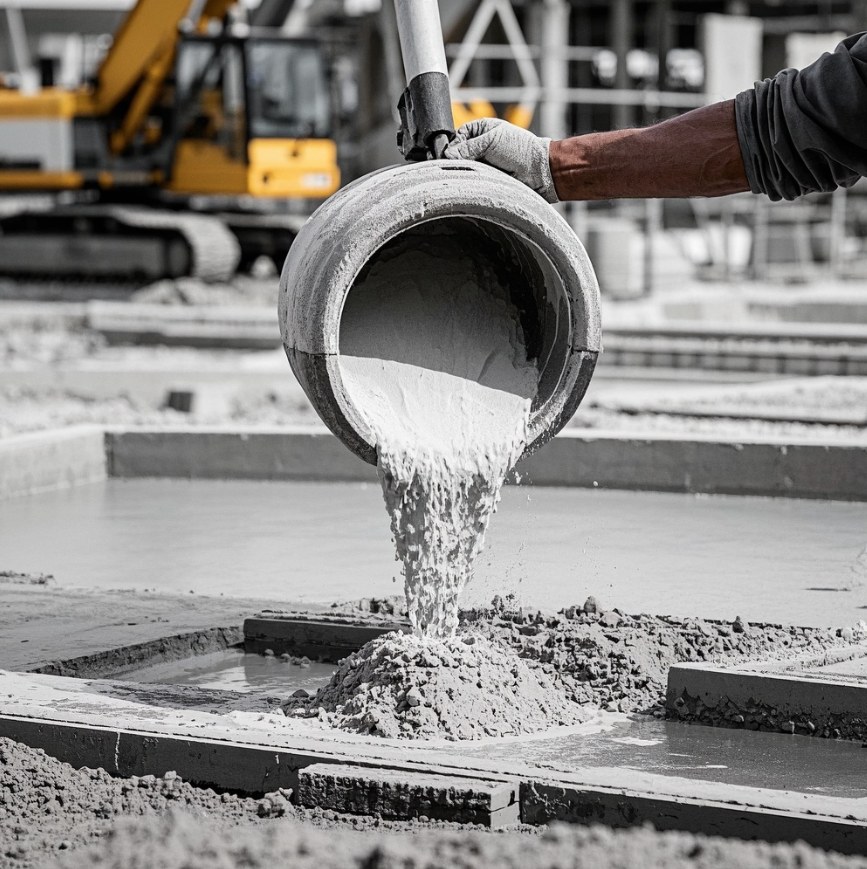
Putties and finishing coatings
Useful where smooth application, surface strength and reduced powdering are key targets.
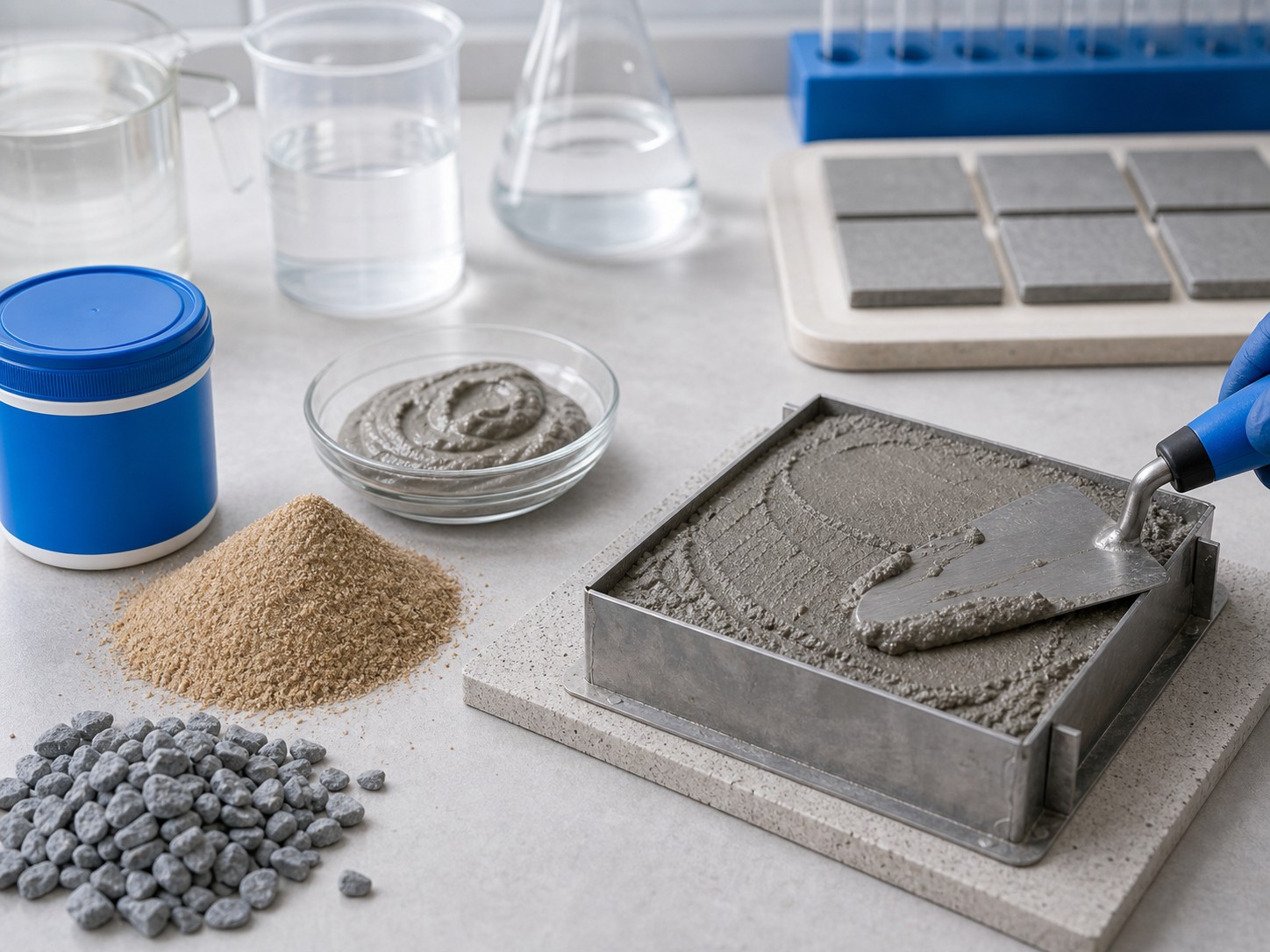
Cement additives
Can be evaluated for water retention, workability and crack-resistance support in cementitious systems.
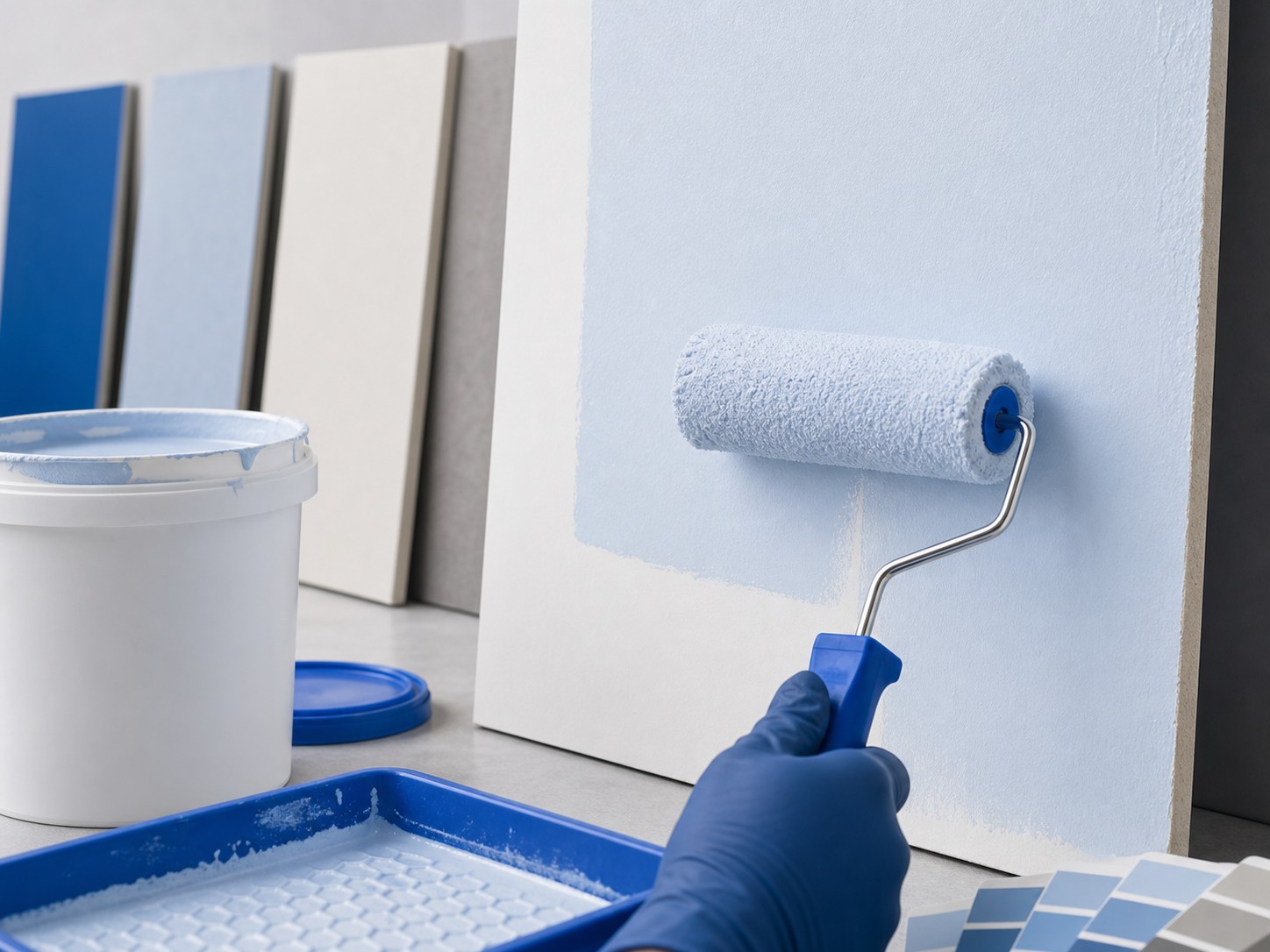
Paints and coatings
May function as a binder or thickener in selected water-based construction coatings.
Selection focus
What should be validated?
Use the source document as a starting point, then validate the grade in the complete formulation or process. PVA performance is sensitive to hydrolysis level, viscosity, solids content, additives, temperature, pH, substrate and application method.
- Process fit: dissolution, mixing, application and drying or removal conditions.
- Performance fit: adhesion, film strength, viscosity, stability and final-use requirements.
- Documentation: current TDS, SDS and market-specific compliance requirements.
Grade screening
Candidate Joyforce PVA grades
The table below summarizes candidate grades from the source document. Treat it as a screening guide, not a final specification.
| Application | Candidate grades | Selection note |
|---|---|---|
| Additive of cement | PVA 2488S, 2088S, 1788S, 0588S | Validate dosage, hydration, open time and crack resistance. |
| Putties, coatings and tile adhesives | PVA 2488S, 2088S, 1788S, 0588S | Confirm compatibility with cement, gypsum, fillers and cellulose ethers. |
| Adhesive for forming board | PVA 2499, 1799 | Confirm water resistance, bond strength and intended indoor/outdoor use. |
Content audit
Document review notes
- Avoided unconditional claims about durability, waterproofing and global trust.
- The original pH value of 0.5 for S grades should be confirmed against current TDS.
- Exact dosage ranges should be treated as starting points, not final formulation advice.
FAQ
Frequently asked questions
What does PVA do in construction materials?
It can support binding, film formation, adhesion, water retention and workability in selected cement, gypsum, putty, coating and adhesive formulations.
Can PVA replace redispersible polymer powder?
No direct replacement should be assumed. PVA and RDP have different functions and should be evaluated in the complete formulation.
Which information is needed for grade selection?
Share the application, binder system, target viscosity, fillers, additives, dosage window, open time and mechanical performance targets.
How should I choose a Joyforce PVA grade?
Share your application, process conditions, target viscosity, performance requirements and any documentation needs. Joyforce can help screen candidate grades for laboratory validation.
Are the listed grades final recommendations?
No. The grade lists are screening references from the source document. Confirm the current technical data sheet and test in the final formulation before specification.
Related product information
Explore PVA grade families
Partially Hydrolyzed PVA
Fully Hydrolyzed PVA
Special Modified PVA
Review special modified PVA products.
Next step
Discuss grade selection with Joyforce
Share your application target, formulation or process details and required documentation. Joyforce can review candidate grades for lab evaluation.