
Direct answer
Where does PVA fit in this application?
PVA may contribute film formation, viscosity modification, fluid-loss control or temporary barrier formation. Performance depends strongly on salinity, temperature, pH, shear, downhole conditions and the full fluid package.
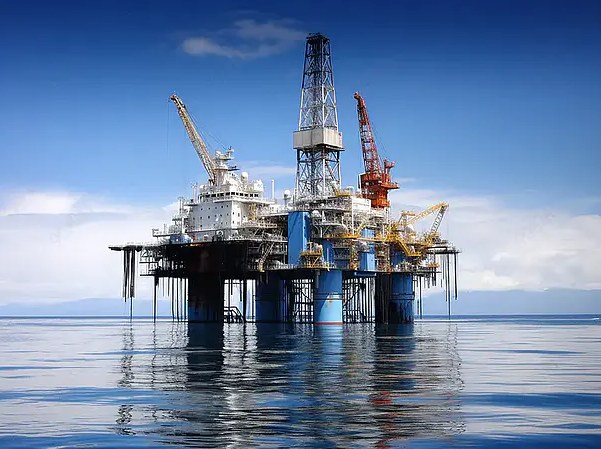
Oil well cementing
Screen for fluid-loss control, slurry stability and set-cement performance in a complete cement system.
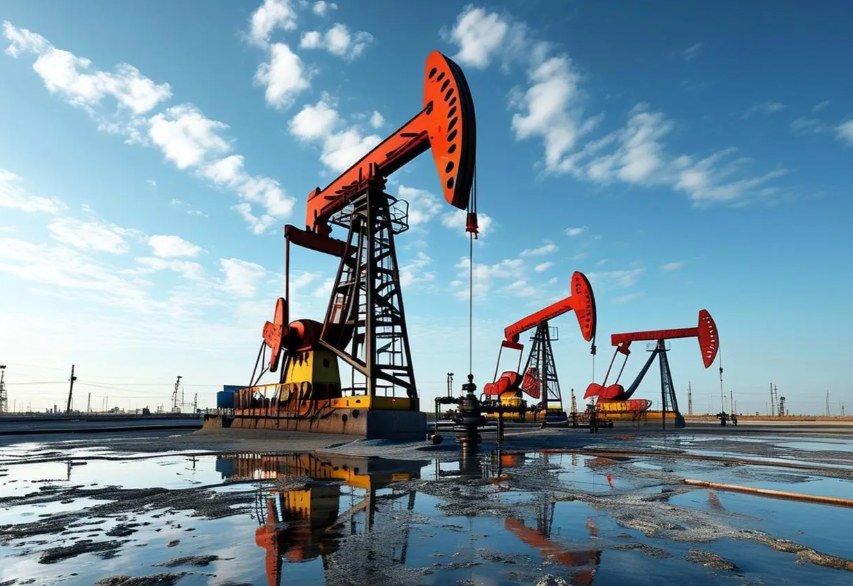
Drilling fluids
Evaluate as a film-forming or fluid-loss component in water-based systems.
Temporary plugging
Water-soluble behavior can be useful where controlled removal is required.
Selection focus
What should be validated?
Use the source document as a starting point, then validate the grade in the complete formulation or process. PVA performance is sensitive to hydrolysis level, viscosity, solids content, additives, temperature, pH, substrate and application method.
- Process fit: dissolution, mixing, application and drying or removal conditions.
- Performance fit: adhesion, film strength, viscosity, stability and final-use requirements.
- Documentation: current TDS, SDS and market-specific compliance requirements.
Grade screening
Candidate Joyforce PVA grades
The table below summarizes candidate grades from the source document. Treat it as a screening guide, not a final specification.
| Uygulama | Candidate grades | Selection note |
|---|---|---|
| Cementing and drilling fluids | Candidate grade depends on fluid design | Validate temperature, salinity, rheology and fluid-loss performance. |
| Temporary plugging | Water-soluble PVA candidates | Confirm dissolution rate, placement method and cleanup requirements. |
Content audit
Document review notes
- Removed broad non-hazardous, biodegradable and non-toxic claims.
- Clean burnout is not the right universal term for downhole applications; changed to controlled removal/cleanup.
- No specific temperature rating should be stated without grade and test conditions.
SSS
Frequently asked questions
What is PVA used for in oil and gas?
It can be evaluated for fluid-loss control, viscosity modification, film formation and temporary plugging in selected systems.
Is PVA stable in brine?
Brine tolerance depends on grade, salinity, temperature and additives; testing is required.
What data is needed for selection?
Temperature, salinity, pH, fluid type, shear conditions, target viscosity and fluid-loss target.
How should I choose a Joyforce PVA grade?
Share your application, process conditions, target viscosity, performance requirements and any documentation needs. Joyforce can help screen candidate grades for laboratory validation.
Are the listed grades final recommendations?
No. The grade lists are screening references from the source document. Confirm the current technical data sheet and test in the final formulation before specification.
Related product information
Explore PVA grade families
Partially Hydrolyzed PVA
Tamamen Hidrolize PVA
Special Modified PVA
Review special modified PVA products.
Next step
Discuss grade selection with Joyforce
Share your application target, formulation or process details and required documentation. Joyforce can review candidate grades for lab evaluation.