

Direct answer
Why is PVA used in paper processing?
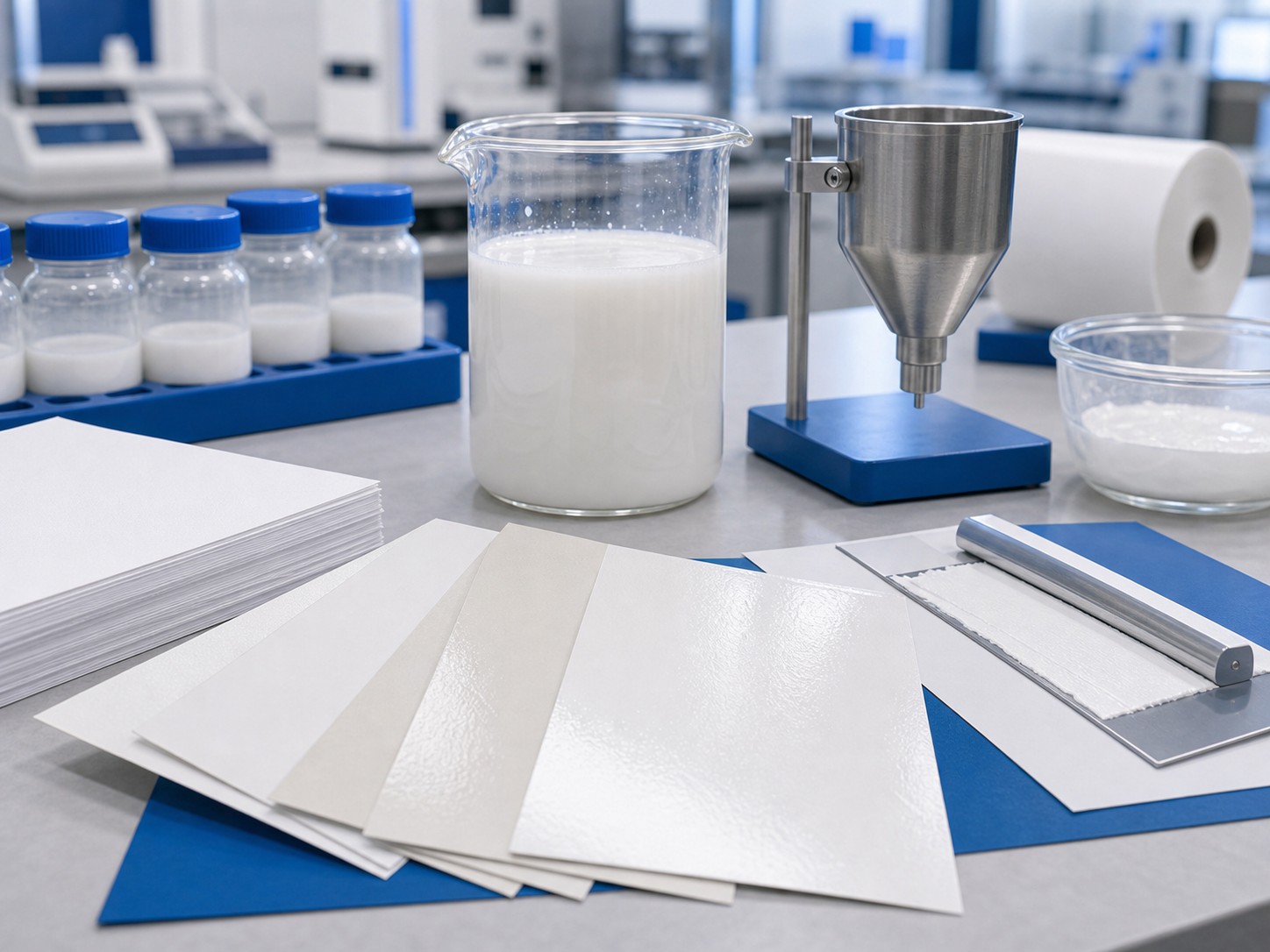
PVA is used in paper processing because it forms strong, clear films and can improve surface strength, coating holdout, pigment binding and selected barrier properties. In the right formulation, it can also support re-moistenable adhesives, optical brightener systems and specialty paper coatings.
Grade selection should not be treated as a simple viscosity choice. Hydrolysis level, molecular weight, dissolution temperature, coating solids, pigment package, drying profile, substrate absorbency and final converting conditions all need to be checked.
Application map
Where PVA fits in paper and board production
Surface sizing
PVA can improve surface strength, printability and coating uniformity. Grades such as PVA 1799, 2499 and 2699 may be screened.
Pigment binder
PVA can support pigment adhesion and film integrity in coated papers. Formulators should check viscosity and runnability at target solids.
Oil and grease resistance
Fully hydrolyzed PVA, especially PVA 1799, may be evaluated for barrier coating where grease resistance is needed.
Paper adhesive systems
Grades such as PVA 0588, 1788, 2088 and 2488 may be screened for re-moistenable glue, tube winding or paper converting adhesives.
Surface and coating performance
A good paper coating is built around both chemistry and process window
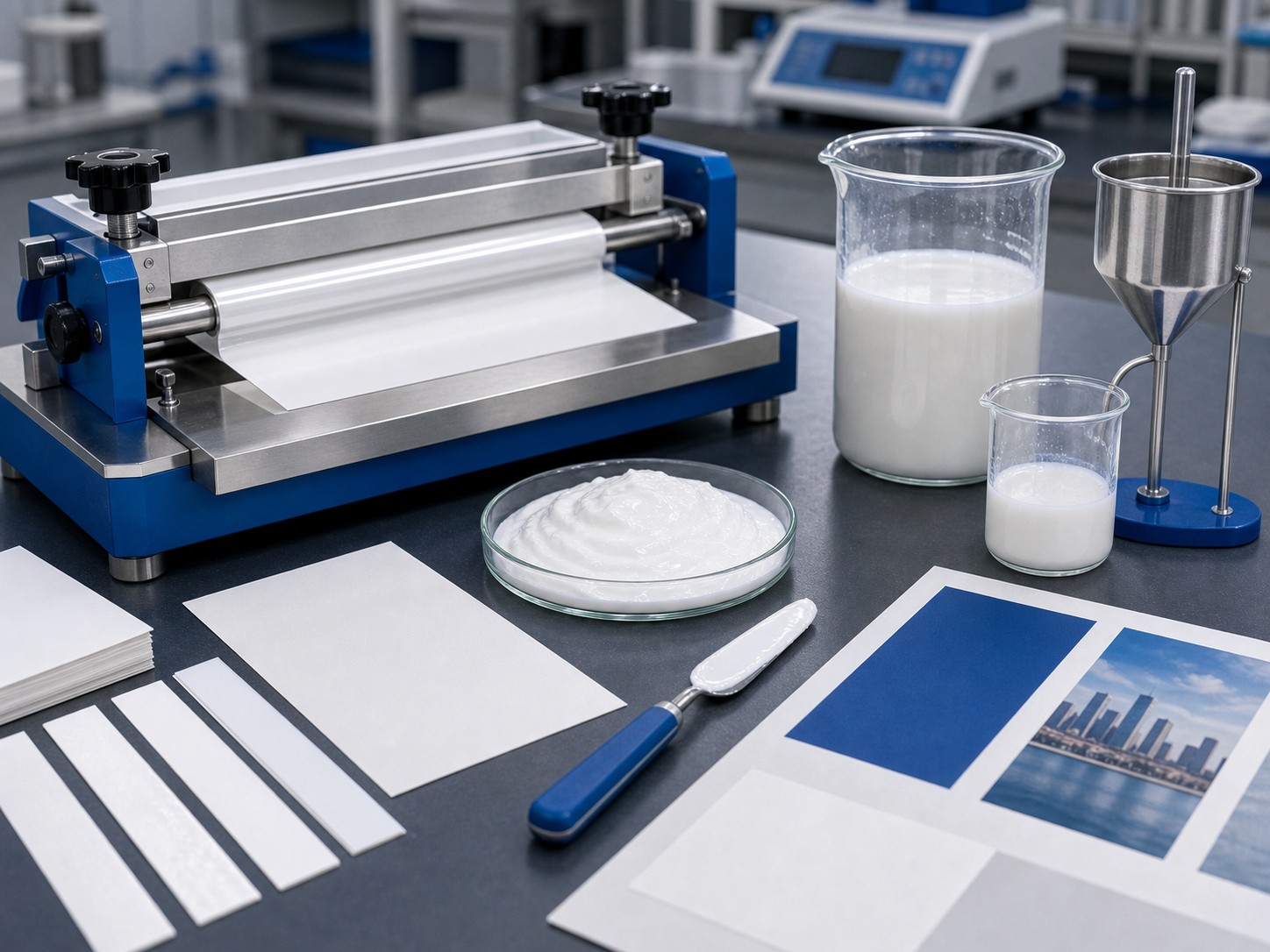
PVA can strengthen the surface film and help bind pigments, but coating performance also depends on solids content, starch or latex co-binders, clay or calcium carbonate package, drying rate and paper absorbency.
- For surface sizing: test pick strength, dusting, print mottle and ink holdout.
- For pigment coating: check coating viscosity, blade runnability, gloss, porosity and fold behavior.
- For optical brightener carriers: evaluate compatibility, shade stability and final brightness response.
Barrier design
Oil and grease resistance needs humidity-aware testing
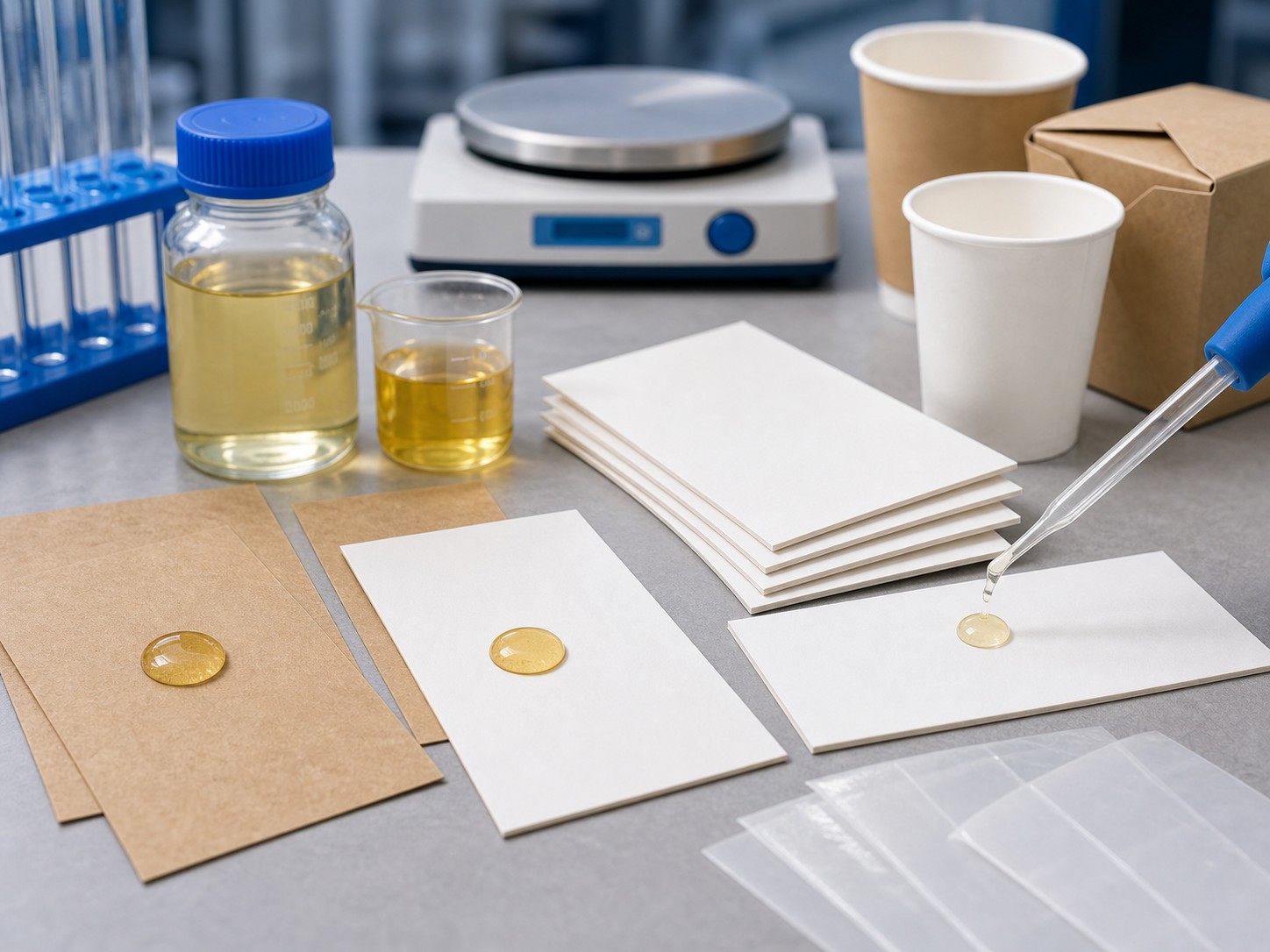
PVA can be evaluated as an oil and grease resistant coating for selected paper and board applications. However, PVA is hydrophilic, so barrier performance should be tested under the intended humidity, storage and converting conditions.
If the paper will be printed, folded, heat sealed or laminated, test the complete converting process. Barrier films that look strong in the lab can fail when flexed, exposed to moisture or run through downstream equipment.
Grade table
Joyforce PVA grades to consider for paper processing
The grades below are based on the source page and should be used as a screening map. Final selection requires current TDS/SDS review and trials in the actual paper or coating system.
| Paper processing need | Candidate Joyforce grades | Validation focus |
|---|---|---|
| Surface sizing, surface strength and printability | PVA 1799, 2499, 2699 | Dissolution, viscosity, pick strength, printability, surface dusting and drying profile. |
| Paper making binder and specialty additives | PVA 1099, 0599, 1599 | Retention, drainage impact, dry strength, compatibility with wet-end chemistry and process water. |
| Re-moistenable adhesive and paper converting glue | PVA 0588, 1788, 2088, 2488 | Wet tack, resolubility, drying speed, blocking resistance and bond strength on target paper. |
| Oil and grease resistant coating | PVA 1799 as a key starting point | Grease resistance, humidity sensitivity, flex-crack resistance, coating weight and converting durability. |
Content review
What was refined from the source page?
- Broad market-growth language was replaced with practical formulation and validation guidance.
- Grade names were preserved and organized by use case to make the blog more useful for technical buyers.
- Barrier claims were softened because humidity and converting conditions can strongly affect PVA-coated paper performance.
常见问题
PVA paper processing questions
Which PVA grade is commonly considered for oil and grease resistant paper coating?
PVA 1799 is a common starting point because fully hydrolyzed grades can form strong films, but actual grease resistance depends on coating weight, humidity, substrate and co-binders.
Can PVA replace starch in surface sizing?
Not automatically. PVA and starch have different cost, film, viscosity and process behavior. Many systems use them together or screen PVA where higher surface strength or film integrity is required.
What should be tested before choosing a paper-grade PVA?
Test dissolution, viscosity, coating solids, runnability, drying, printability, bond strength, blocking, humidity sensitivity and final converting performance.
What information should be sent to Joyforce for grade screening?
Share the paper type, coating or sizing recipe, target solids and viscosity, process temperature, drying condition, target paper property and required documentation.
Related product information
Explore Joyforce PVA grade families
全水解 PVA
Start here for surface sizing, stronger films and selected barrier coating evaluations. View product information.
Partially Hydrolyzed PVA
Useful where cold-water solubility, tack and adhesive compatibility are important. View product information.
Special Modified PVA
Consider for specialty paper coatings and process-specific requirements. View product information.
Next step
Need help screening PVA grades for paper processing?
Send Joyforce your paper type, coating process and target performance. The team can help narrow the grade list for laboratory trials.