Polyvinyl alcohol defoamer can effectively solve these foam problems in the chemical industry as a polymeric emulsifier, dispersant and polyvinyl formal, acetal, butyral resin and ...
With the mutual penetration of polymer material science and modern pharmacy, the application of polymer materials as drug controlled release carriers has become one of ...
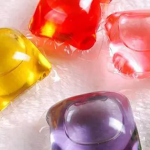
PVA water-soluble film is widely used in cosmetic products, especially the washing powder, laundry detergent and other chemical products. Using this packing method has the ...
Polyvinyl alcohol PVA 1788 sheet; odorless, soluble in water at 60-80°C. Its aqueous solution has good adhesion, film-forming and emulsifying properties; it is resistant to ...
The main characteristics of pharmaceutical grade PVA include film properties, gas barrier properties, adhesion, and hygroscopicity. Goshenol has good gas resistance to many gases, such ...
Polyvinyl alcohol film is colorless and transparent, with good mechanical strength, smooth surface without stickiness, low gas permeability of hydrogen, oxygen, carbon dioxide, good oil ...
In cast film production, the uniformity of film thickness is an important indicator of product quality. As a requirement of quality control management, it should ...
Acetylene method Using zinc acetate supported on activated carbon as a catalyst, acetylene and acetic acid are reacted under normal pressure and 170-230 ℃. The ...
Products
Main Menu
Get in touch with Joyforce
* For more details and information, please consult our specialists.